

Annual Conference 2025
The Power of Partnership: Working together for every child
Hosted by Magdalen College School, Oxford
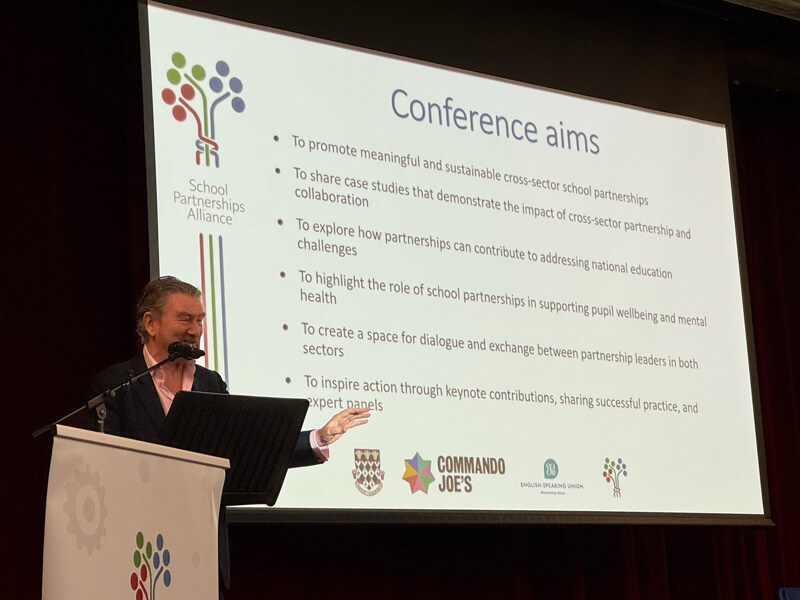
Conference Aims:
- To promote meaningful and sustainable cross-sector school partnerships
- To share case studies that demonstrate the impact of cross-sector partnership and collaboration
- To explore how partnerships can contribute to addressing national education challenges
- To highlight the role of school partnerships in supporting pupil wellbeing and mental health
- To create a space for dialogue and exchange between partnership leaders in both sectors
- To inspire action through keynote contributions, sharing successful practice, and expert panels
Conference Report
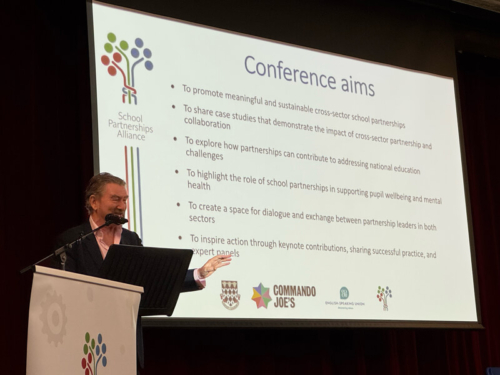 I hope you will agree with me that this report provides evidence that our conference fulfilled its main aims of affording our members a great opportunity for networking and for finding out about great partnership practice. We don’t take for granted that delegates devoted a precious day of school time to be with us, and we are grateful to those who gave further of their time to provide us with feedback on the day.
Our annual conference gives S.P.A. a chance to reflect on where we are in relation to our mission. And my initial reflections are:
- That since January 2025 we have made progress in transforming the S.P.A. from an independent school body, with some state school friends, into a true cross-sector, school partnership organisation. I am predicting that we will have equal numbers of members and supporters from both sectors by the end of this year;
- That we are making progress in the central aim of creating a national framework for collating and measuring the impact of partnership work nationally, not least as we look to take on responsibility for the Schools Together website, re-launching it as a School Partnerships Index with an in-built impact measuring tool. We’re grateful to the ISC and the HMC public benefit and partnerships committee for their support of this work;
- And that with your help, we will make progress in encouraging collaborative working between schools in all educational settings and thereby establish a vision of one single national system of education dedicated to looking after the needs of all children, and most particularly those in danger of being left behind in any particular school setting.
Finally, my sincere thanks to our conference sponsors – the English Speaking Union and Commando Joe’s – and to Helen Pike, Master of Magdalen College School, to Rohan Edwards, Carmel Engin and all at MCS for their support in the organisation and administration of our conference.
Dr Joseph Spence. CEO, School Partnerships Alliance
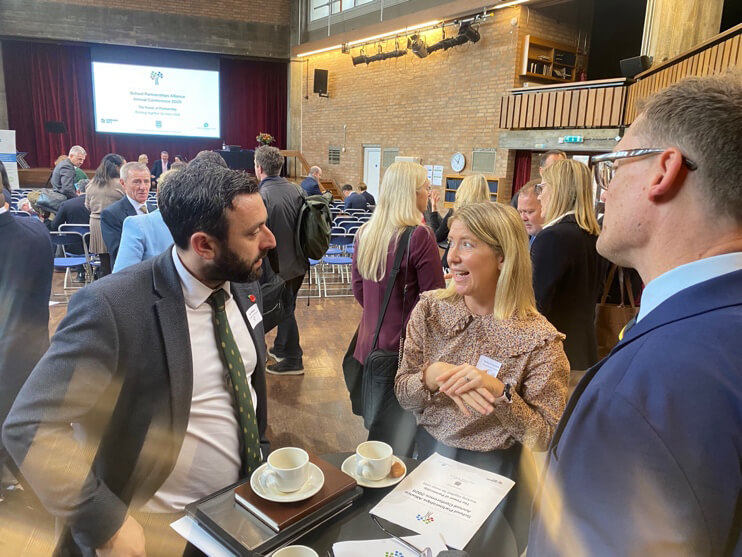
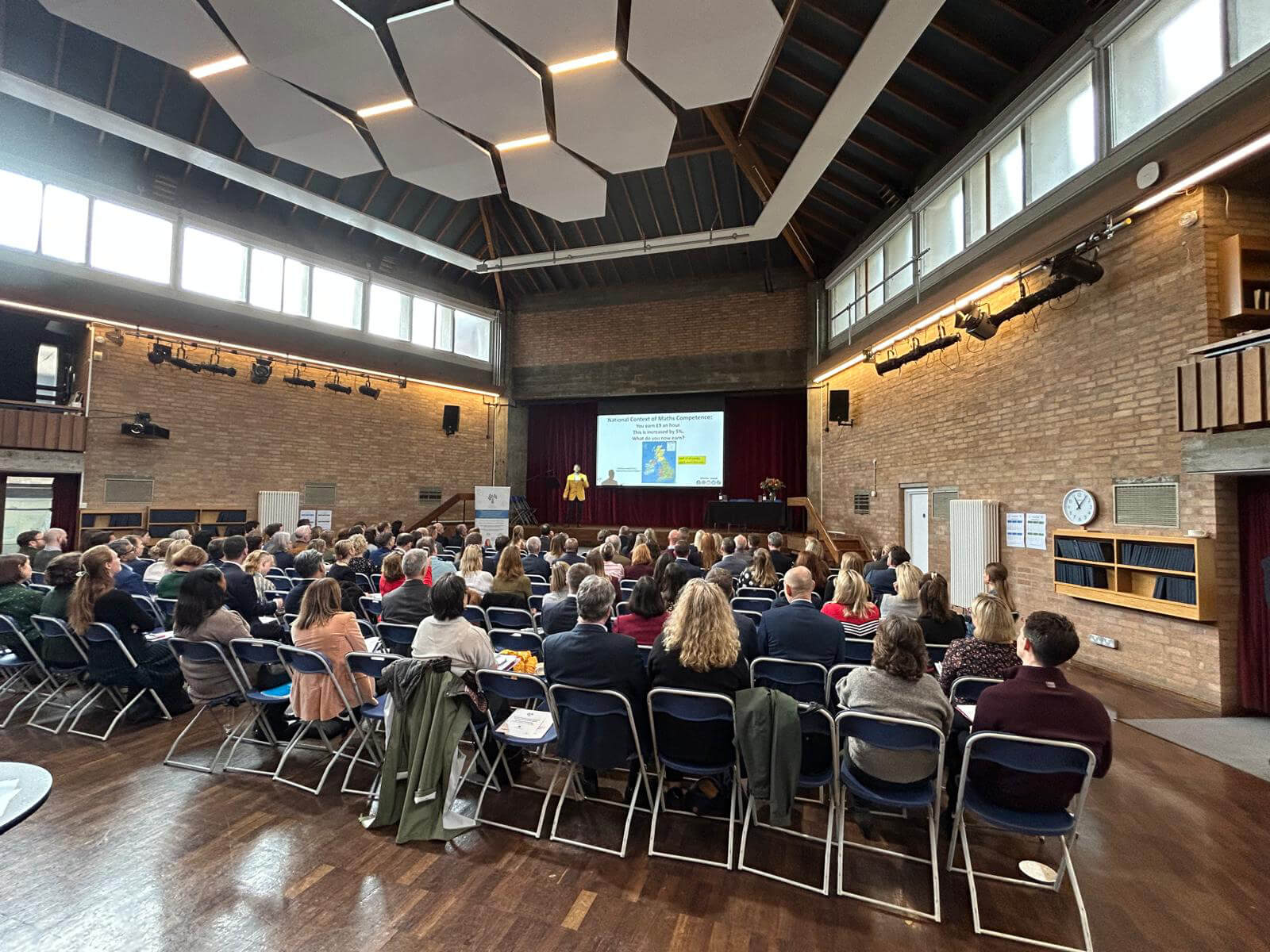
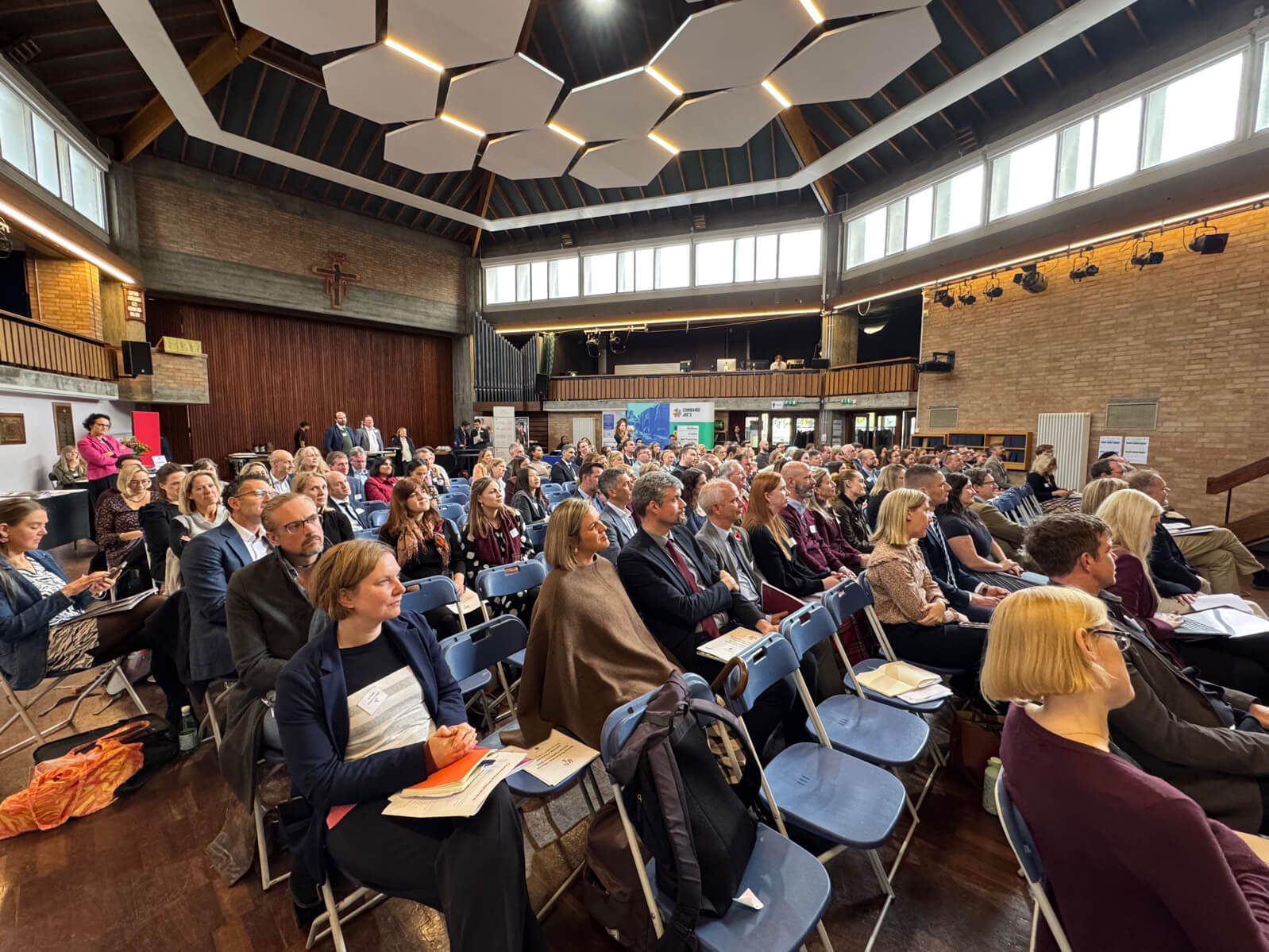
 Our third annual conference, generously hosted by Magdalen College School, was our biggest event to date, with 140 attendees. While the majority of these were from independent schools, we were pleased to see increasing interest from schools in the maintained sector.
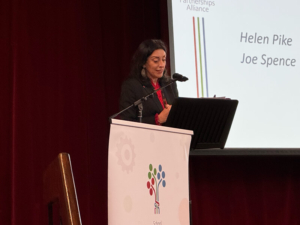
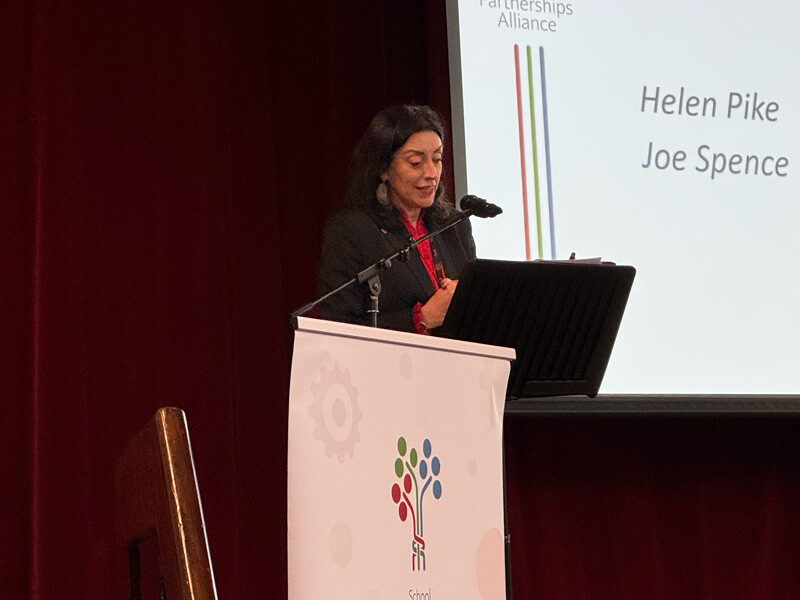
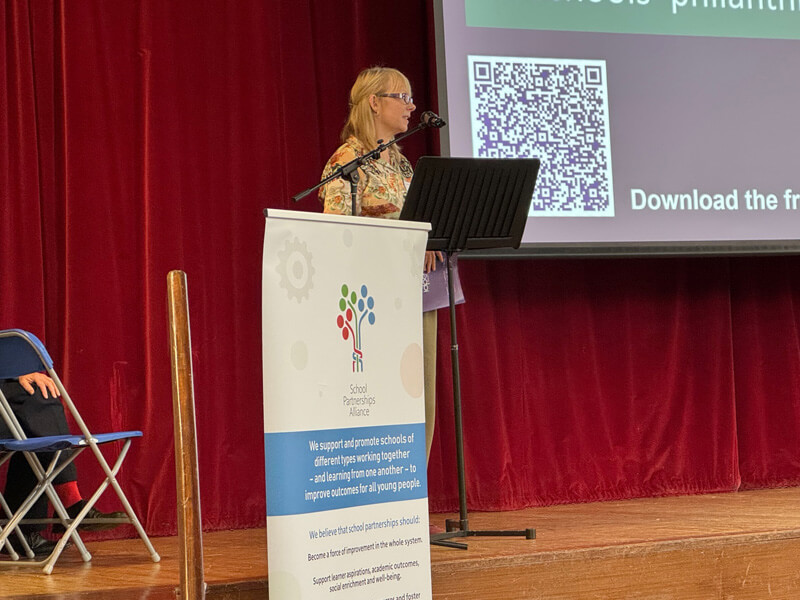
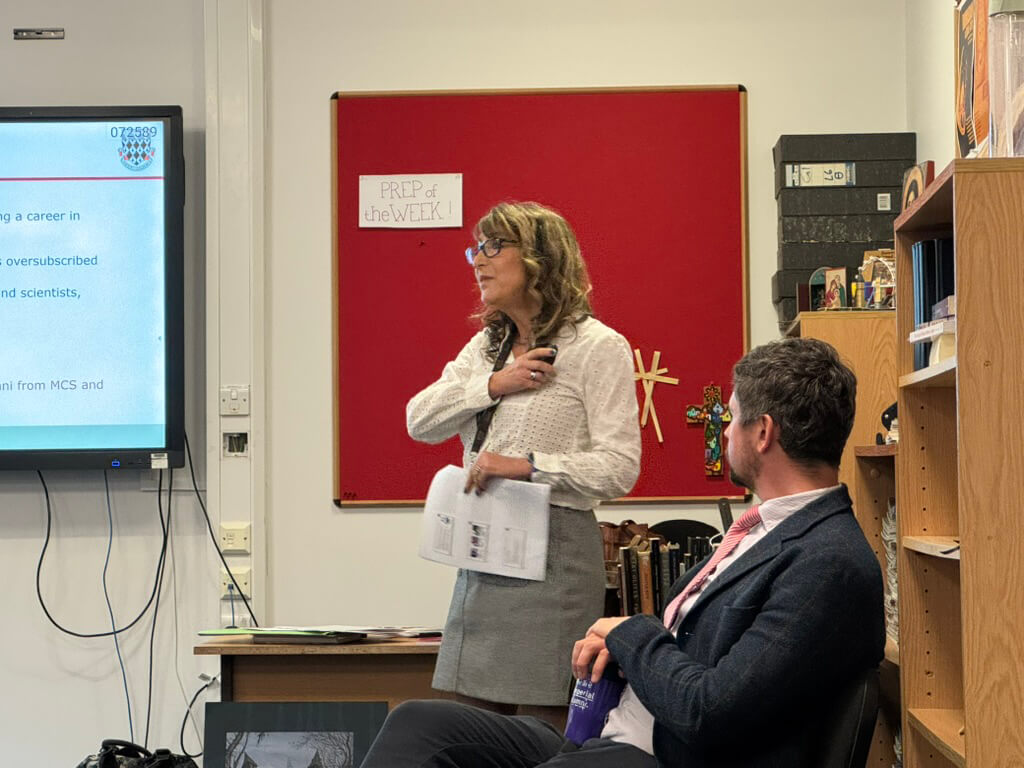
The conference was opened by Master of MCS, Helen Pike, and S.P.A. CEO, Joe Spence. Helen emphasised the importance of conferences such as this for spreading the word and sharing best practice. She also emphasised how important MCS’s partnership and community work is to the school.
Joe welcomed attendees and thanked them for all they are doing to put cross-sector partnerships on the national agenda.
“Good to hear from Joe about the strategy” (Independent school teacher)
“I was encouraged to hear about vision, strategy and national initiatives” (Partnership Trustee)
Following Joe’s welcome, conference heard about how partnerships are helping to address national challenges.
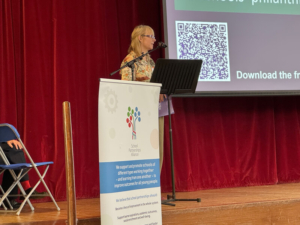 Lou Bennett, joint-CEO of The Institute of Development Professionals in Education (IDPE), spoke about raising funds for partnership work. Lou emphasised the importance of demonstrating the impact of partnership working for fund-raising.
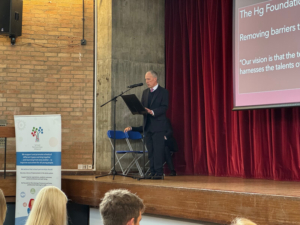 Ian Davenport talked about how the Hg Foundation is working to remove barriers to education and skills in technology. He outlined the STEM Horizons Project that several S.P.A. members are involved with.
Joe then returned to the stage to talk about the work S.P.A. is doing in partnership with the National Society for Education (NSE), led by Andy Wolfe. S.P.A. and NSE will be running a Flourishing System Leader course in 2026, specifically for partnership leads.
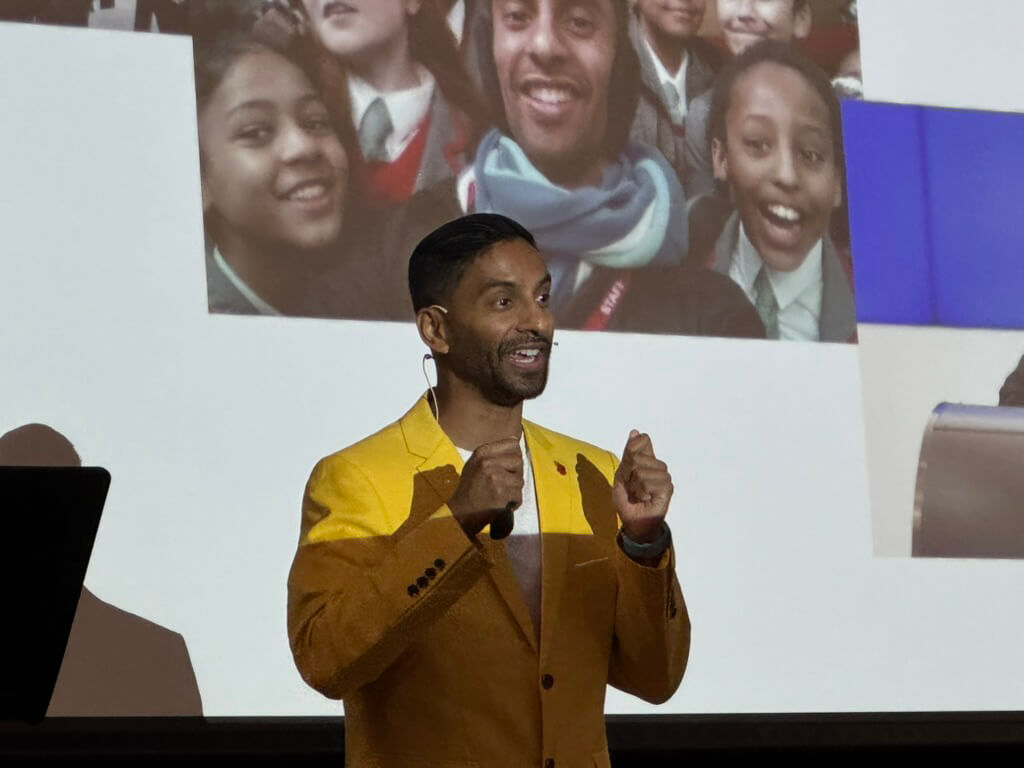
Maths teacher, author & TV broadcaster Bobby Seagull enthralled delegates with his address ‘The Power of Passion’. Bobby spoke about his experiences as a boy in both sectors, and the value of grit.
“Bobby Seagull was fantastic!” (Independent school teacher)
“Bobby was energetic, inspiring and entertaining” (Other)
Dr Carl Ward, Chair of the Foundation for Education Development, talked to delegates about the National Education Assembly. Carl emphasised how important it is for every stakeholder in education to have their say.
“Carl was excellent and knowledgeable” (Independent school teacher)
Building on his presentation to the 2025 Spring Forum, Daniel Lilley, Senior Researcher at The Centre for Social Justice, updated conference about challenges identified in the Civitas Report. He challenged delegates to move partnerships ‘from kaleidoscope to impactful’.
“The Civitas update was thought provoking and reminded me to go back re read my notes and thoughts from our spring meeting in London” (Independent school
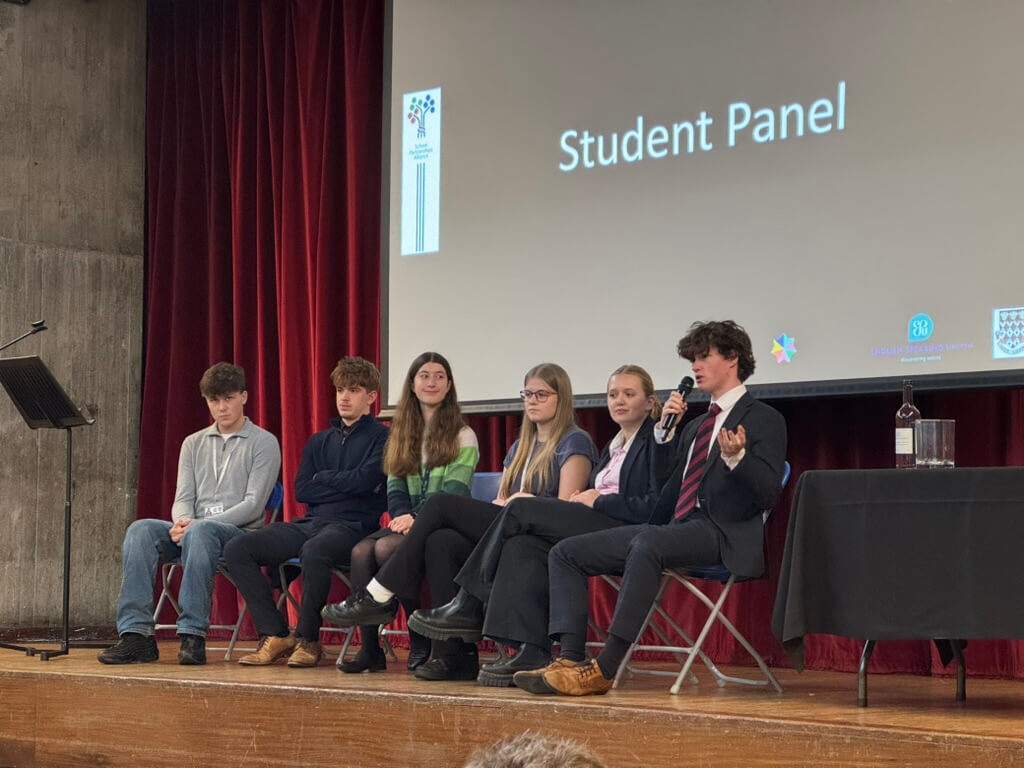
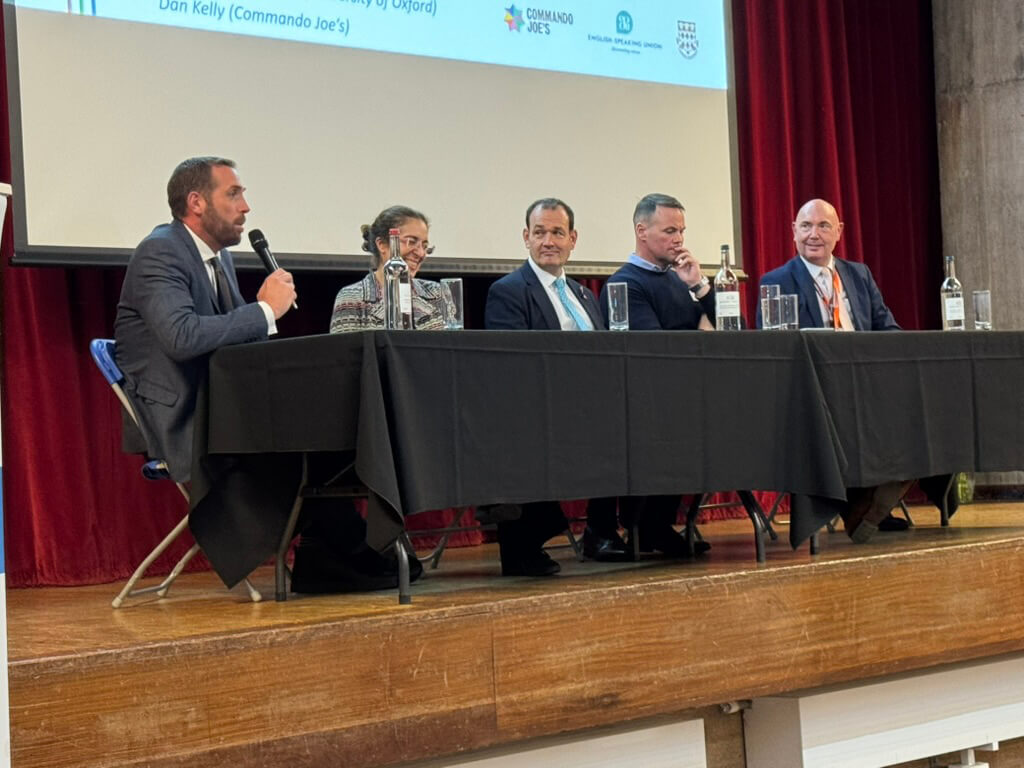
Our first panel considered ‘The impact of partnership working on students’. Our panellists represented schools in both sectors, and they spoke with passion about their experiences.
“I enjoyed the student panel and their feedback was very interesting – a reminder of the impact that partnerships have on pupil experience is particularly powerful” (Independent school teacher)
“I very much enjoyed the student panel. Student voices should be at the heart of everything we do in partnerships.” (Maintained school senior leader)
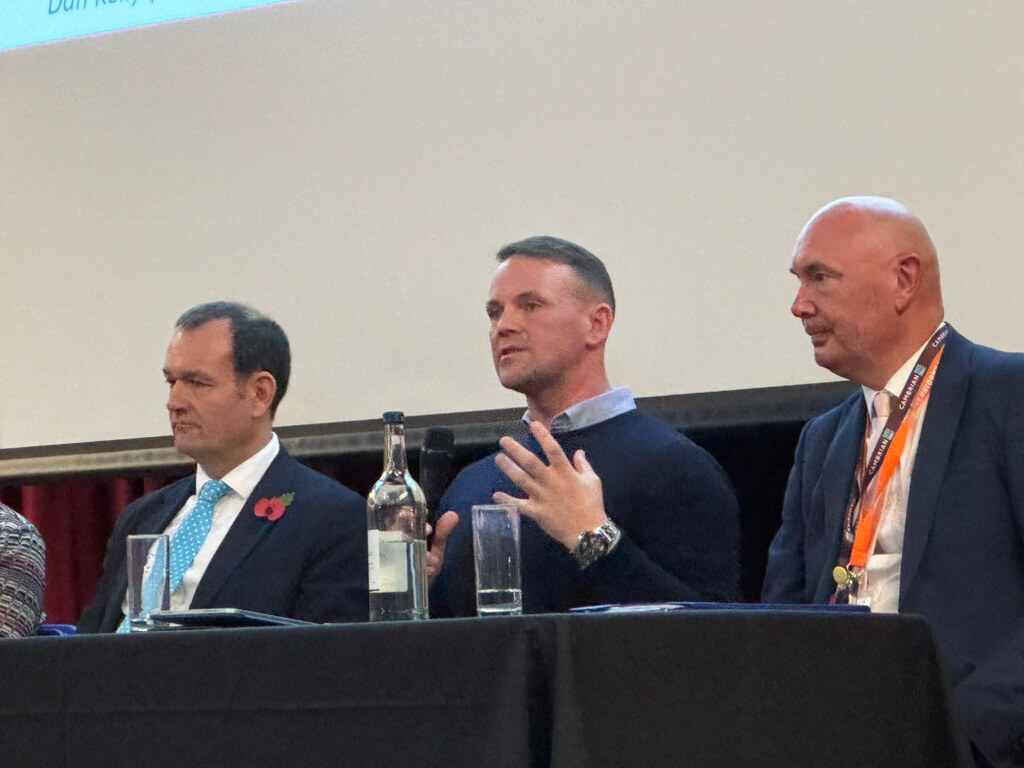
Our afternoon panel considered ‘Mental Health & Wellbeing in schools’. Our panellists drew on their considerable experience to reflect on the challenges young people face, and how partnership working can make a contribution to addressing these.
“The Panel discussion in particular gave many suggestions for how schools, state or independent, can help those students who need help” (Maintained school senior leader)
“MHWB panel addressed such an important area, with brilliant input from all four panellists, in such diverse ways!” (Other)
“OxCOP live! was a genuine example of students interacting and benefiting from working collaboratively – Partnership of equals” (Independent school partnerships lead)
“It was wonderful to visit a local partner primary school and to hear directly from partner staff directly involved in projects and articulating the positive outcomes as well as the challenges from their perspective” (Independent school partnerships lead)
These sessions also allowed other S.P.A. members to talk about their complementary projects.
“So inspiring and one of the sessions moved me to tears – hearing about Lumina Tutoring’s work with young people in care.” (Other)
The afternoon session focused on case studies from running STEM or Performing Arts projects, to teacher development through partnership
“These sessions were, by far, the most applicable to my school. While not headline grabbing, the most useful bits of information were the practicalities of running certain projects, how this impacted those involved and what steps they may be taking in the future.” (Independent school senior leader)
“The sessions were all such high quality with a real sense of sharing information for mutual benefit.” (Independent school partnerships lead)
The morning sessions included time for roundtable discussions.
Feedback from groups suggests that existing school partnerships can maximise their impact on young people by extending their collaboration to include professional bodies, cultural organisations and national stakeholders. External partners such as professional associations, orchestras, charities and employers can bring expertise, aspiration and real-world relevance that schools alone may struggle to provide, particularly where staffing and funding are limited. Personal relationships and staff networks are valuable starting points, as existing contacts open doors to organisations with established education or outreach agendas.
To strengthen and sustain these links, partnerships should be embedded within school strategy, ensuring leadership support, clarity of purpose, and continuity. Opening school spaces for conferences or shared events can further raise the partnership’s profile and create opportunities to connect with new organisations and schools. Schools may face their own constraints, though, so flexibility and alignment with their objectives are essential.
Wider impact could also be achieved through national support, including endorsement or facilitation by the DFE, as well as systems to support matched funding. Finally, sharing impact reports and case studies using social media can raise visibility, demonstrate value, and attract further partners, helping successful initiatives to scale and reach more young people.
Delegate feedback suggests that effective collaborative working between schools should be long-term, inclusive, and aspirational, beginning as early as primary education. Early partnerships help raise awareness of future pathways and build confidence before choices potentially become limiting. Schools working together can create shared experiences that expose students to a wide range of academic, vocational, and workplace options, helping them understand alternatives to traditional university routes, such as apprenticeships and technical careers.
Collaboration should focus on transferable skills: leadership, communication and resilience, developed through creative spaces, coaching opportunities, co-curricular programmes, and social opportunities. Joint activities, such as school visits, careers fairs, language events and mentoring, allow students to learn from diverse peers and role models. Engaging parents as volunteers and career ambassadors further strengthens aspirations and real-world relevance.
Strong collaboration also requires networking between staff, external professionals, and employers to provide authentic workplace experiences. Clear pathways should be articulated so students can see how skills and interests link to future destinations. Finally, programmes must be planned, monitored, and reviewed for impact, with emerging tools such as AI used to support connections between settings and enhance sustained collaboration.
Impactful partnership working depends on intentional design, responsiveness, and long-term thinking. Partnerships should be shaped around the specific needs of individual schools, with headteachers directly involved to ensure relevance and buy-in. Clear objectives for each activity are essential so that all partners understand what success looks like.
Impact should be considered from the outset, with appropriate methods chosen early rather than added retrospectively. This includes gathering student voice during activities to capture changes in confidence, attitudes, or engagement, as well as using group evaluation and low-stakes assessment where appropriate. Asking the right questions is critical to ensuring feedback is meaningful rather than superficial.
Delegate feedback also stressed the importance of sustainability and access. Costs, both direct and indirect, can limit participation, so partnership models should consider how schools can engage where funding or staffing capacity is constrained. Strong relationships between schools and stable staffing increase the likelihood of lasting impact.
Finally, impact may also be demonstrated over time. Tracking student outcomes beyond the programme, and drawing on alumni stories, can provide powerful evidence of sustained benefit and strengthen the case for long-term partnerships.
Feedback from discussion groups suggests that existing school partnerships can maximise their impact on young people by extending their collaboration to include professional bodies, cultural organisations, and national stakeholders.
Feedback suggests that to secure greater public and policymaker understanding and support for partnership work, there needs to be clearer coherence, stronger evidence, and more visible leadership engagement.
Partnership activity is currently perceived as disparate, with varying levels of time, funding, and staffing across contexts, making it harder to communicate a consistent narrative of impact. Developing a more cohesive framework and shared language would help policymakers better understand what partnership work is and why it matters.
Capturing impact is critical. Policymakers are more likely to engage when provided with robust quantitative data, such as attendance figures, pupil progress, and clearly articulated causal links between partnership activity and outcomes. This evidence needs to be systematically gathered and presented in ways that align with government priorities.
The feedback also highlights the importance of investment and buy-in from state schools, including dedicated coordinators to sustain engagement. Finally, strengthening relationships at headteacher level is essential to ensure strategic alignment, visibility, and long-term commitment, rather than partnerships relying solely on operational or informal connections.
Post-conference feedback

Moving Forward
Finally, we asked delegates to contribute their responses to two important questions:
